Barefoot-friendly driveways and paths: smoothing exposed aggregate on the Gold Coast
Practical guidance for homeowners on how cutting back, honing and sealing exposed aggregate can remove sharp edges, reduce trip hazards and keep the stone look—plus what to expect for driveways, paths and shed surrounds.
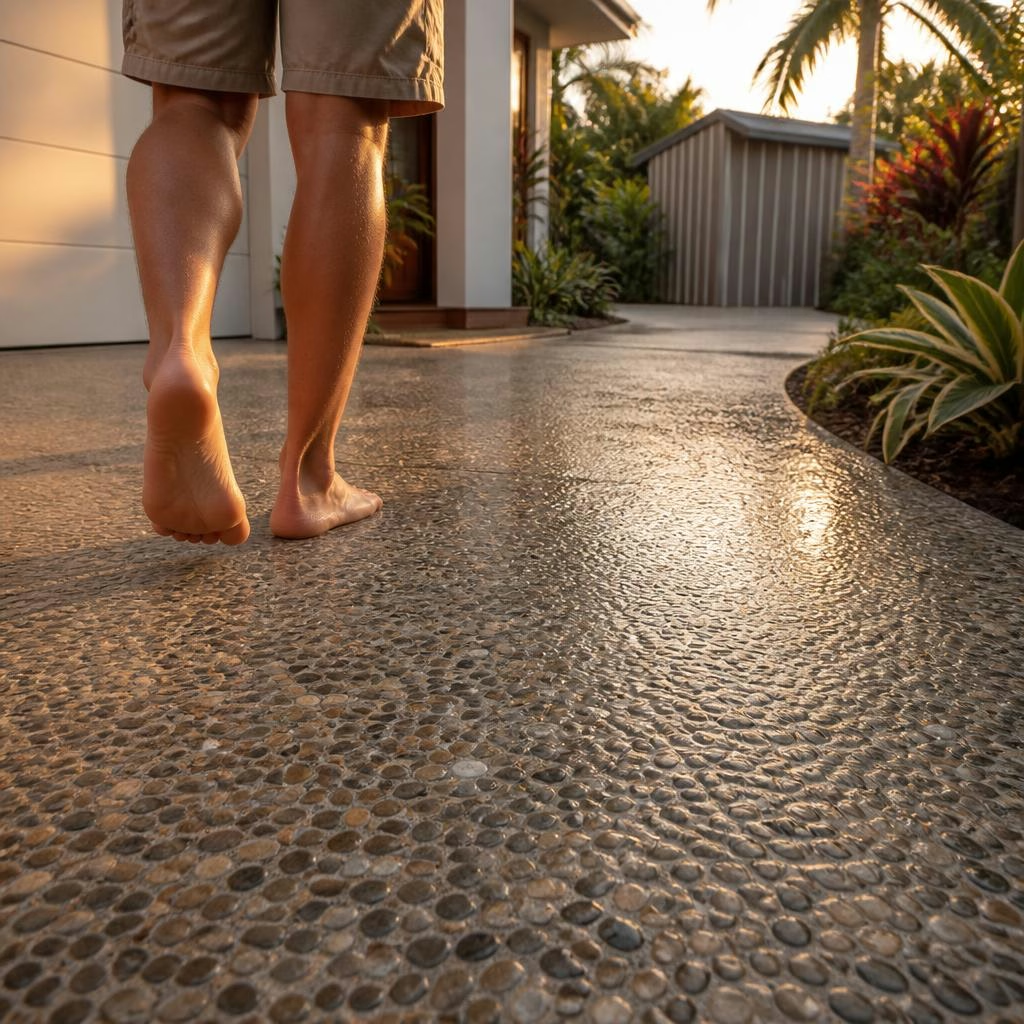
Why this matters for Gold Coast homes
Exposed aggregate is a popular finish around the Gold Coast because it shows off natural stone and stands up to weather. But when the surface is too coarse it can be uncomfortable for bare feet, hard on pets' paws, and unpleasant to walk on around pool areas, driveways and paths. Homeowners who want to keep the textured look often ask whether that roughness can be softened without losing the aggregate’s character.
What ‘cutting back’, honing and sealing actually mean
There are three complementary steps commonly used to make exposed aggregate barefoot-friendly: cutting back (grinding down the high, sharp stones), honing (smoothing the surface with progressively finer abrasive tools) and sealing (applying a protective sealer to lock in the finish and reduce moisture and stains). Together these methods remove sharp points, even out underfoot feel and protect the concrete so the stone remains visible but gentler to walk on.
How the process is adapted for driveways, paths and shed surrounds
On driveways and paths the goal is to balance smoothness with grip—too smooth can be slippery, too coarse stays uncomfortable. Contractors will often target only the sharpest areas, feathering the grind so the aggregate retains texture. Around sheds and other edges, work is adjusted to protect landscaping and access. For pool surrounds the focus is comfort and safe footing while keeping an attractive exposed stone face.
Real homeowners’ experience
Local customers frequently report strong improvements after this kind of work: cleaning and protecting exposed concrete around a shed, for example, has made a noticeable difference to appearance and usability. Reviews for local specialists emphasise clear communication and results that revived tired concrete while keeping the aggregate look—useful signals when you’re deciding whether to proceed.
What to expect during the job
Preparation typically includes a thorough clean, minor repairs if there are pits or loose material, and protecting adjacent surfaces and plants. Grinding and honing are performed with specialised machines; you’ll see dust control measures and temporary access limitations while work is underway. After honing, the surface is cleaned again and a sealer applied to protect the finish and make it easier to maintain.
Aftercare: keeping your surfaces barefoot-friendly
Once honed and sealed, everyday maintenance is straightforward: regular sweeping, occasional gentle washing and following the sealer manufacturer’s care guidance. Avoid harsh scrubbing with aggressive chemicals that could wear the sealer. If the finish begins to look dull or show surface wear, a contractor can assess whether a reseal or touch-up hone is appropriate.
Choosing a contractor on the Gold Coast
Look for a contractor who can show local examples of honed and sealed aggregate and who explains trade-offs between comfort, grip and appearance. Reviews for local teams highlight professionalism, clear communication and workmanship that restores and transforms concrete—qualities to prioritise. Ask about site protection, dust control, and how they will preserve landscaping and access around sheds, pools and driveways before work starts.
Customer review


Article by
All Concept Concrete
All Concept Concrete is your local specialist in high-quality concrete solutions on the Gold Coast. We provide expert services in concrete polishing, interior and exterior concrete sealing, epoxy flooring, industrial concrete coatings, concrete resurfacing, and driveway restoration. Our team also specialises in hone and seal finishes for polished indoor concrete floors. Whether you're upgrading a residential space or need durable commercial or industrial flooring, we deliver professional results that last.