Concrete maintenance 101: Keeping polished and sealed floors looking new
Practical, product-specific cleaning routines and seasonal tips for polished concrete, grind-and-seal and exterior sealed surfaces — plus what to avoid, how to tell when to reseal, and a yearly DIY inspection checklist for Gold Coast homes.
Why maintenance matters for concrete surfaces
Polished, grind-and-seal and exterior sealed concrete all give great looks and long service life when they’re maintained correctly. Regular, simple care preserves shine, reduces staining and extends the time between professional maintenance jobs. For Gold Coast homes, coastal sun, salt air and heavy rain cycles can speed up wear on outdoor surfaces, so a small regular routine pays off.
Know your surface: polished, grind-and-seal and exterior sealed
Polished concrete is mechanically ground and finished to a sheen; it’s dense and low-maintenance indoors. Grind-and-seal (or hone-and-seal) involves preparing the surface by grinding then applying a sealer — it’s common on pool surrounds, driveways and patios. Exterior sealed concrete is any outdoor slab treated with a protective sealer. Each finish responds differently to cleaners, wear and UV exposure, so tailor care to the surface type.
Daily and weekly care for polished indoor floors
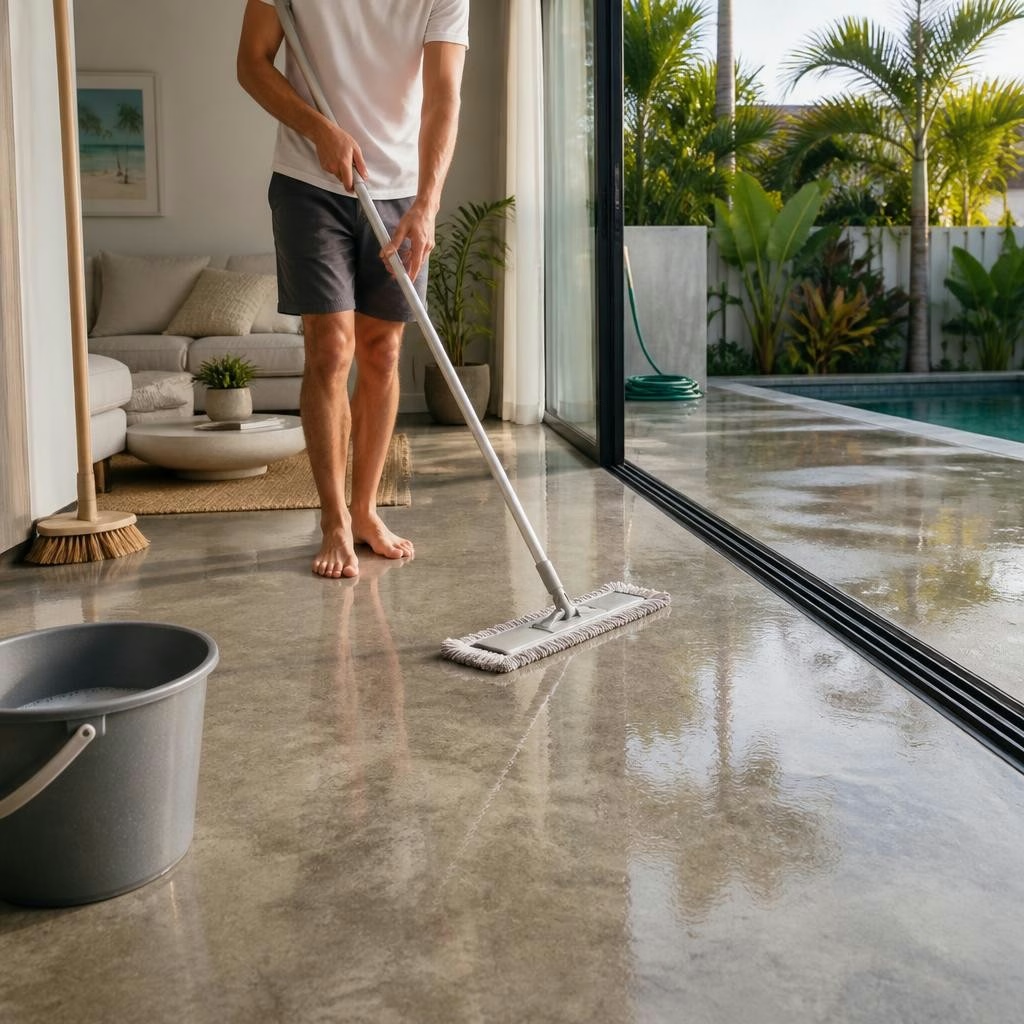
Keep polished concrete looking its best with frequent light care: dry dust-mop or vacuum daily to remove grit that scratches the surface; damp-mop weekly with a microfiber mop and a pH-neutral cleaner formulated for sealed/polished concrete. For larger commercial areas, an auto-scrubber with a soft brush head and neutral solution is appropriate. Blot spills quickly to reduce staining and avoid scrubbing with abrasive pads or brushes.
Cleaning routines for grind-and-seal and honed finishes
For grind-and-seal and honed floors, remove loose debris with a broom or vacuum, then wash with a mild detergent or a pH-neutral cleaner and cool water. Use a soft-bristled broom or non-abrasive scrub pad for stubborn spots, rinse well and let the surface dry fully. Avoid aggressive scrubbing or strong alkaline/acidic products that can dull or attack the sealer. If an oil or grease spot appears, treat it promptly with a concrete-safe degreaser following product directions.
Exterior sealed concrete: outdoor cleaning and pressure-wash tips
Outdoor sealed concrete benefits from regular sweeping and occasional rinsing with a garden hose. For deeper cleaning use a mild detergent and a soft push-broom. Be careful with pressure washers: high pressure or spraying too close can lift or damage some sealers. If you use a pressure washer, keep the nozzle at a distance, use a wide spray pattern and a lower PSI suitable for sealed surfaces. After storms or windy days sweep leaves, sand and organic debris off sealed areas to prevent staining and sealer abrasion.
What to avoid: cleaners and common mistakes
Avoid harsh acids (muriatic acid), undiluted bleach, strong solvents and highly alkaline cleaners — these can etch, break down or dull sealers and polished surfaces. Don’t use abrasive pads or metal brushes that scratch. With pressure washers, don’t hold the nozzle too close or concentrate on one spot. Finally, don’t let oil, fertilizer or plant matter sit for long on sealed surfaces; prompt cleaning limits permanent staining. A small number of customers report occasional cleanup issues after work, so confirm site protection and final tidy-up with your installer before the job starts.
When to reseal and the signs it’s time
Rather than fixed dates, watch for performance signs. Resealing should be considered when water no longer beads on the surface, you notice increased staining or marks that don’t lift with normal cleaning, the finish looks dull compared with earlier photos, or there are surface abrasions. Outdoor surfaces exposed to sun, salt air or heavy vehicle traffic may show these signs sooner. Regular cleaning and quick stain response will delay the need for resealing.
Yearly DIY inspection checklist and when to call a pro
Do a short inspection once a year: 1) Walk the area and note any dull patches, chips or cracks; 2) Test water beading in several spots (drops should bead on a well-sealed surface); 3) Look for oil, rust or organic stains that need special treatment; 4) Check joints and edges for seal loss or movement; 5) For outdoor areas, inspect for UV fading or salt-related wear. If you find persistent staining, widespread dulling, cracks or uneven finishes, call a concrete specialist. Local feedback shows customers appreciate clear communication, attention to detail and professional workmanship, so choose a contractor who explains findings, cleanup expectations and recommended next steps. For Gold Coast homeowners, an annual check timed after the wet season is a good habit to catch issues triggered by storms or heavy summer wear.
Article by
All Concept Concrete
All Concept Concrete is your local specialist in high-quality concrete solutions on the Gold Coast. We provide expert services in concrete polishing, interior and exterior concrete sealing, epoxy flooring, industrial concrete coatings, concrete resurfacing, and driveway restoration. Our team also specialises in hone and seal finishes for polished indoor concrete floors. Whether you're upgrading a residential space or need durable commercial or industrial flooring, we deliver professional results that last.